Lifestyle concerns and land scarcity are fuelling a boom for larger estates in inland Southern Spain
Written by MATTHEW HIRTES
Spain is reinventing itself. There is a new emphasis in the country on diversifying its national tourism model beyond catering for the bucket-and-spade brigade. The government understands that quantity is not the only factor but that quality matters too. Upscale visitors are going to spend more in the country than budget travellers who have booked an all-inclusive stay. This has driven a demand for non-beach holidays, and many HNWIs (High Net Worth Individuals) are reluctant to leave, resulting in a knock-on effect of investment in high-end rural properties.
In a very much connected way, as the cost-of-living crisis widens around the world, so does an interest amongst investors to get more bang for their buck. Value for money has become even more important. The one caveat is that HNWIs don’t want to trade quality of life if the only thing on the table is bringing down your expenses.
A trusty barometer is Numbeo’s Cost of Living Index. Whilst they focus on cities, there is some useful data regarding the less-populated pockets of southern Spain’s inland Andalucia such as Albox in Almeria. This pueblo blanco shines bright in the southern Spanish sun. It also compares favourably to another established expat hotspot in Europe, France’s Aix-en-Provence. In Albox, you can expect to eat out for 33.3% less and your weekly shop will be 35.9% kinder on your pocket than in Aix. Oh, and those stereotypically Provençal lavender fields? They grow in the Andalucian interior too!
Another metric that entrepreneurs are increasingly considering is land scarcity. In areas of high population, one struggles to breathe at times. This accentuates a desire to plant a flag in the Great Outdoors, taking custodianship of a portion of a country’s green belt. For those with the requisite financial resources, the call of nature is ever more loudly heard.
Environmental concern in general is firing demand for properties guaranteeing self-sufficiency in energy and water supply. The energy crisis exacerbated by the war waged by the US and Israel in the Middle East has focused attention on Spain’s developing reputation as a pioneer in European renewable energy circles. Strategic Energy reveals a strong start to 2026: “In January, 56.1% of electricity generated in the mainland system came from renewable sources.”
So imagine if you could secure green real estate at a fraction of the price available in rural areas of France, Italy, and Portugal? In Andalucia, you should budget for around €20,000 per hectare of good land. That contrasts sharply with Italy’s Chiantishire, Tuscany, where you’d pay double for the cheapest properties available. Whilst the Andalucian average is alluring, it is rising. So, if you're feeling FOMO, the best approach is to take a carpe-diem-inspired one.
You could seize the day at one of the newest properties on the market, Finca Nuestra Señora del Carmen. This incredible 2,400-hectare estate, Almeria’s largest, reaches into five separate municipalities and both the Sierra Nevada National and Natural Parks. If you want to follow a template for sustainability, this is a livestock farm stewarded for more than two centuries. The game also roams freely and you will be able to eat off the land, by hunting deer, ibex, partridge, and wild boar.
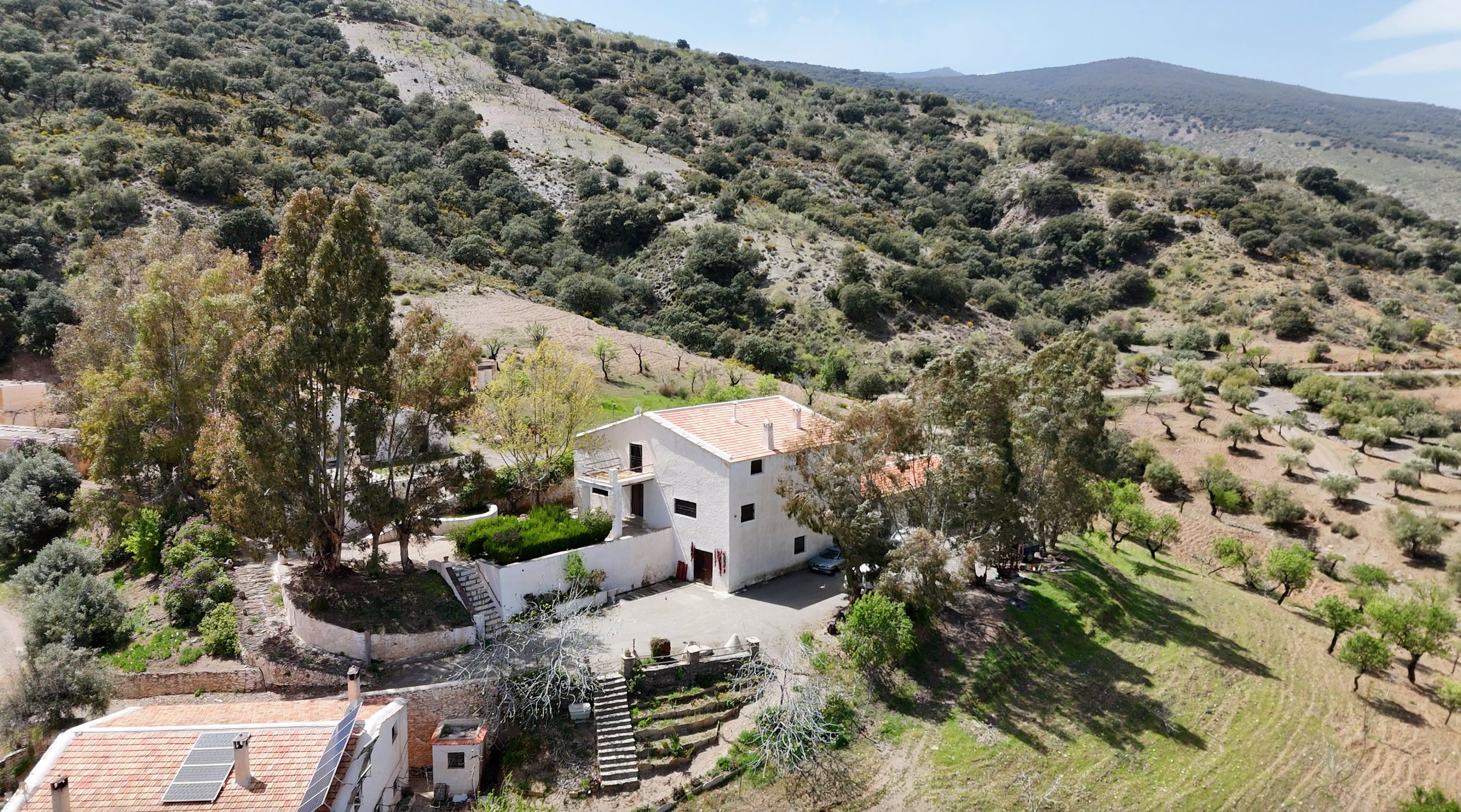
For those who like a challenge, there’s also an ambitious project involving the restoration of the old hamlet, including the former schoolhouse. 50 families once raised their children here. This is the ultimate surf-and-turf combo, as, at the estate’s highest point, you can enjoy a view of the coast of Almeria, surveying the ruggedly beautiful Cabo de Gata and the Gulf of Almeria.
Increasingly, investors are looking to shelter from geopolitical storms. They want resilience in the face of buffeting headwinds. Instead of the fragility of the built-on-sand Dubai, they’re looking to invest in locations that have stood the test of time. Another region in southern Spain providing greater stability is Murcia.
Where the on-court success of the world’s number one tennis star Carlos Alcaraz has put the city of Murcia on the map, there’s more to the region than its university capital and coastal resorts. Take the example of Domingo Jiménez Beltrán (1944-2023), the first Executive Director of the European Environment Agency, a warrior in the battle against climate change.
Now is the time to realize your chance to continue Beltrán’s work in progress, at the 474-hectare Castillo de Chuecos. This magnificent finca was Beltrán’s living experiment for an International Centre for Sustainability, boasting water springs producing 42,258 m3 per year. The estate proves that a hands-off farming approach and successful water management can generate great results, even in areas with low rainfall.
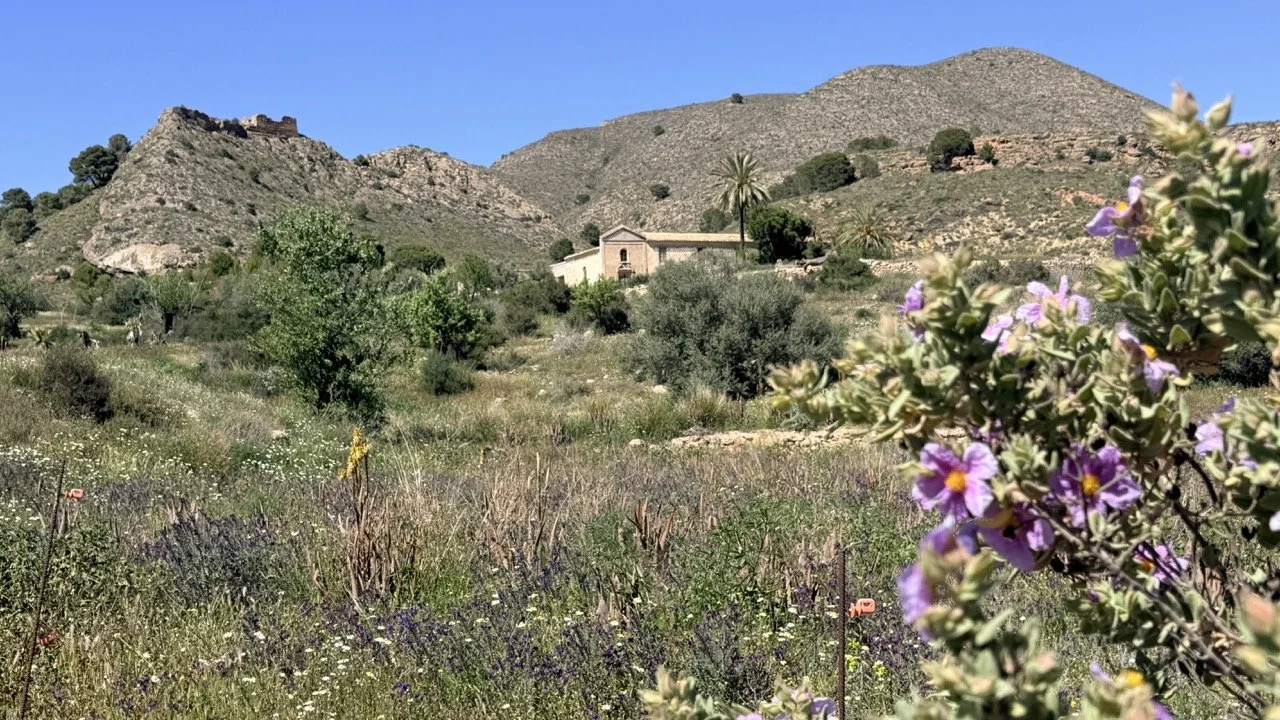
Finca Castillo de Chuecos
There are many destinations all around the world with investment potential. But how many can you see delivering on the everyday reality score? Inland Southern Spain genuinely is that magical place; somewhere you could happily see yourself living for the rest of your life.
Matthew Hirtes has been writing for an expat audience for over 20 years after relocating to Spain. He has been published in the likes of The Guardian, The Independent, and The Telegraph. Researching articles has transported him all over the Iberian peninsula and islands, including all eight Canary Islands, although one of his most enriching experiences was walking Andalucia’s Camino Mozárabe.